Kira Mykytenko
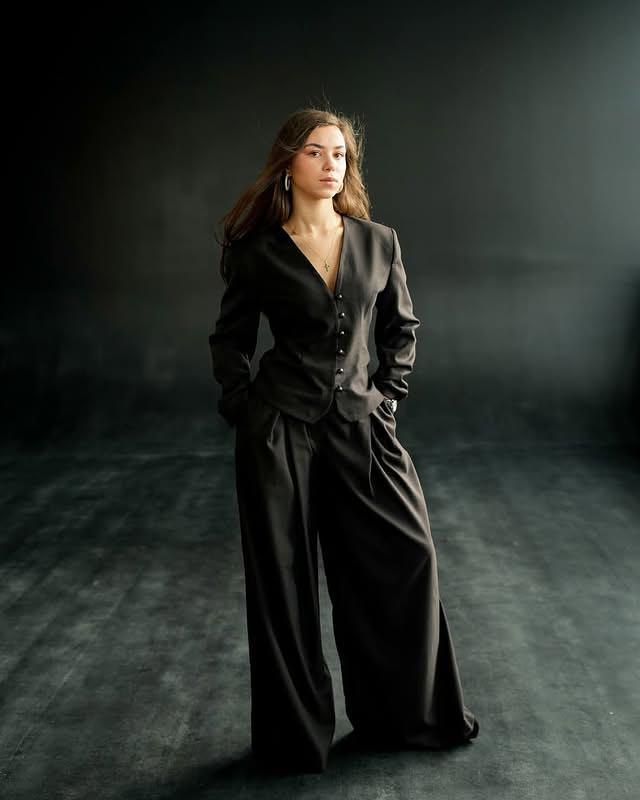
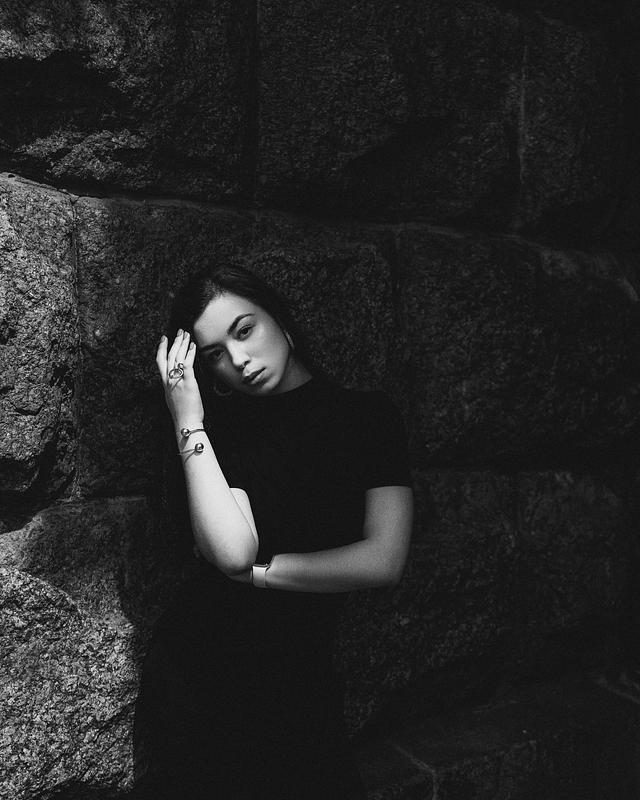
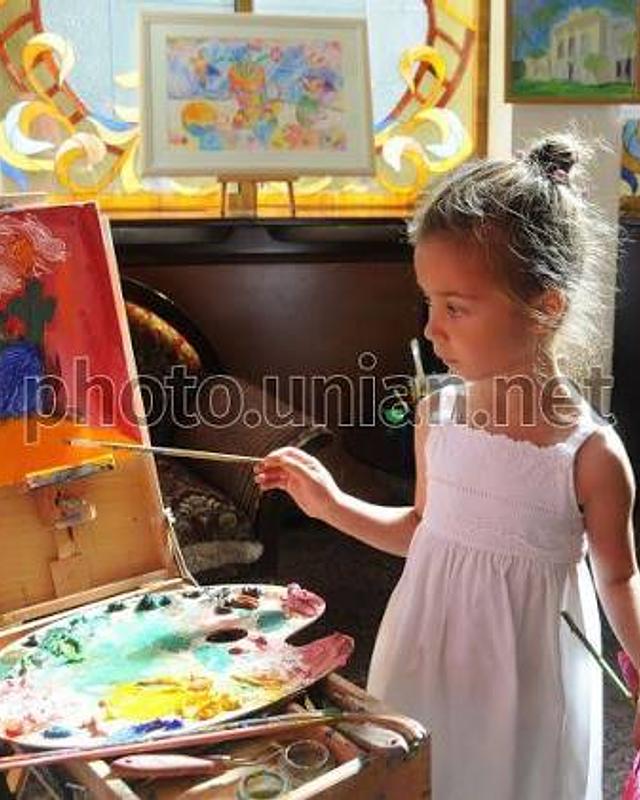
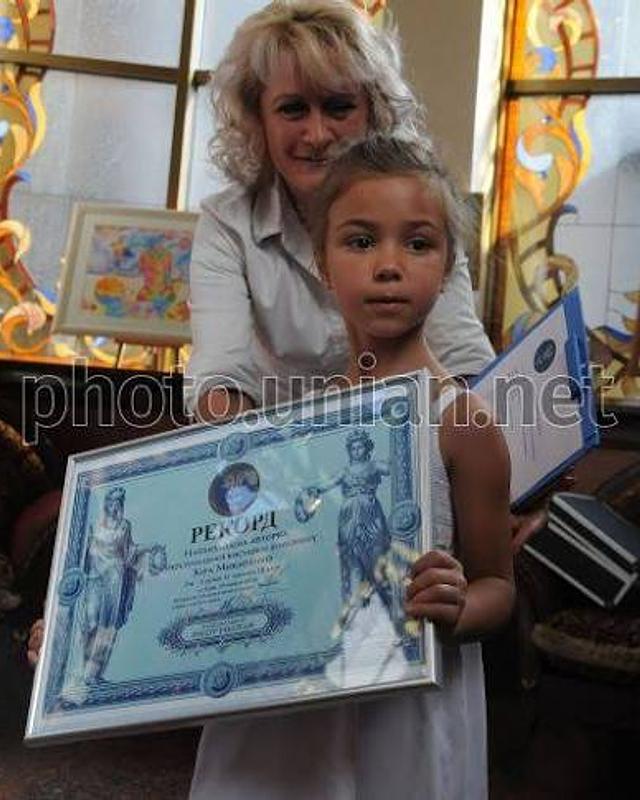
I am Kira Mykytenko, a Ukrainian artist. I began creating art before I learned how to explain what I felt. At the age of six, I opened my first solo exhibition and donated nearly UAH 60,000 raised through a quiet auction of my works to the pediatric intensive care unit at the Institute of Pediatrics, Obstetrics and Gynecology. In doing so, I became Ukraine’s youngest artist to hold a solo exhibition and its youngest patron of the arts, a national record that still stands today. Since then, art has been, for me, a form of presence, attentiveness, and inner responsibility.
My practice lies at the intersection of painting and intricate graphic art, within a language of my own that I call the grammar of fusion. My anthropomorphic creatures are assembled from thorns, flowers, light, and openings, and their names are neologisms found in no dictionary: Eye-Thigh, Self-Assembled, and Sun-Shouldered. They do not exist in a literal sense, yet viewers recognise them before they have time to understand them. Over three years, this language has taken shape in a cycle entitled Maps of States, comprising 50 works—an atlas of inner anatomy in which every sensation is given a body and a name. Colour in my work does not decorate; it grows and breathes, transforming each piece into a place of silence one can enter to find answers of one’s own.
Statement
I do not paint creatures. I give names to states of being for which words do not yet exist.
My artistic journey began before I had learned how to explain what I felt. At the age of six, I opened my first solo painting exhibition and held a quiet auction of my works. I donated the nearly UAH 60,000 raised to the pediatric intensive care unit at the Institute of Pediatrics, Obstetrics and Gynecology of the National Academy of Medical Sciences of Ukraine. The funds were used to purchase a monitor for tracking infants’ vital signs, as well as medication for the youngest patients. In doing so, I became Ukraine’s youngest artist to hold a solo exhibition and its youngest patron of the arts—national records that still stand today. Yet the most important discovery I made at the time was something else: a painting can do more than represent the world; it can help sustain someone’s heartbeat. Since then, art has been, for me, a form of presence, attentiveness, and responsibility.
Over the years, this attentiveness has developed its own language, which I call the grammar of fusion. My creatures bear names that exist in no dictionary: Eye-Thigh, Palm-Untamable, Pin-Shell, Self-Assembled, and Sun-Shouldered. Each is both the title of a work and an anatomy of sensation. Words fuse within them just as, on the page, an eye merges with a thigh, a wing with a thread, the sun with a shoulder. I begin not with an image, but with a state of being that has neither form nor language yet, and search for the elements of which it is composed. It may be a thorn or a petal, a light or an opening, two faces that cannot separate, or a second mouth lying silent above the eyes. Thus, a body comes into being that does not exist, yet is recognised by the viewer before it can be understood. This is not a fantastical bestiary, but an inner anatomy. It is what tenderness looks like when it grows thorns, or what wholeness becomes when it has to be assembled by hand.
Three years of working in this language have come together in a cycle entitled Maps of States—50 works of painting and intricate graphic art. Each work becomes a coordinate in a territory absent from every map: the space within a human being. I work slowly, line by line, with fineliners, pencils, pastels, and acrylics, like a cartographer mapping this invisible landscape. Colour does not decorate here; it grows. It deforms, breathes, and remembers the layers beneath it. Form is never complete; it remains in a constant state of becoming, suspended between light and shadow, tenderness and sharpness, presence and emptiness.
Maps of States does not explain feelings; it gives them bodies and names. Each map can be entered like a place of silence, where one may discover an answer of one’s own. Once, my first exhibition helped monitor the vital signs of others. Today, I listen just as attentively to inner states: I notice them, give them names, and restore to people the ability to hear themselves.
Contacts